
Higher Product Recovery
A pig removes residual product from the pipeline after each production run, enabling product recovery with recovery rates of up to 99.6%. This reduces product loss associated with conventional flushing and cleaning.
A pigging system is a process system for product recovery, pipeline cleaning, and product changeover. It uses compressed air or nitrogen to propel a cleaning pig through the pipeline. The pig maintains close contact with the pipe wall to push residual product to a recovery point, improving product recovery, reducing material loss and cleaning waste, and minimizing cross-contamination. Pigging systems are widely used in lubricants, petrochemicals, paints and coatings, food and beverage, and fine chemicals, especially for multi-product, small-batch, and frequent-changeover production.
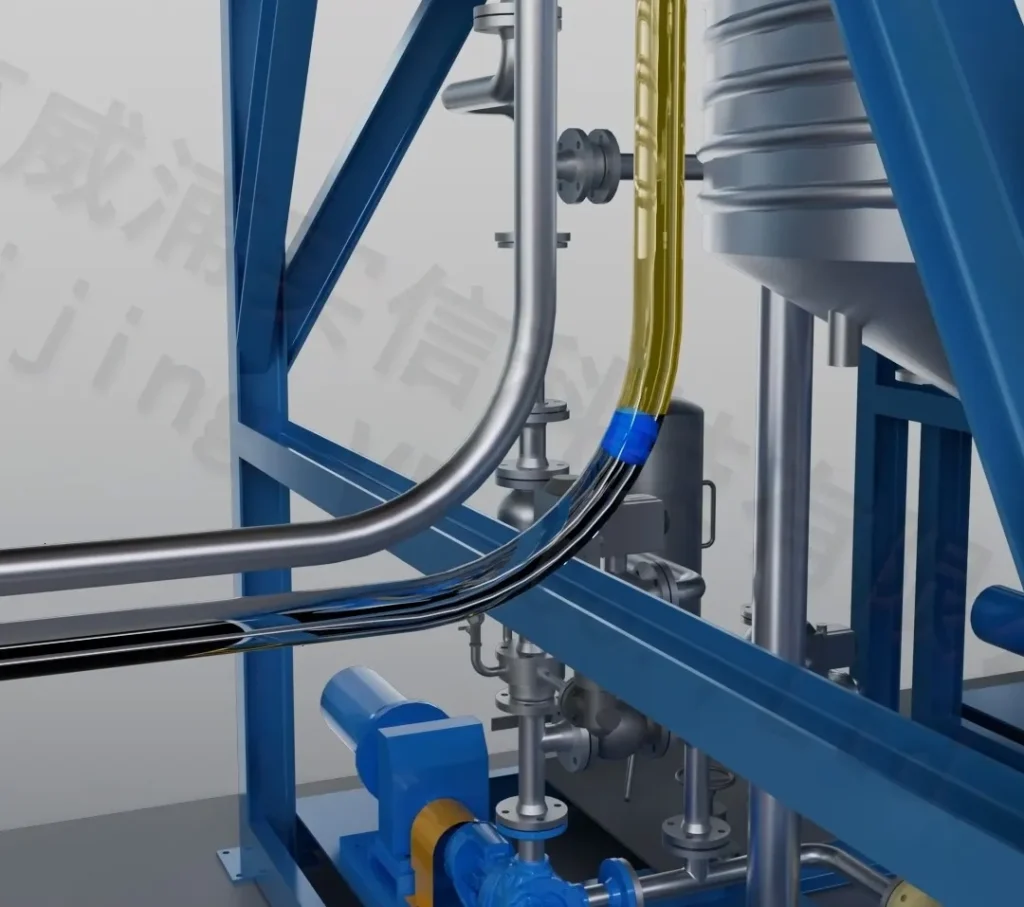
A typical pigging system uses a pig launcher, pig receiver, pigs, piggable valves, and automatic controls for product recovery and pipeline cleaning.
Pigging technology helps improve product recovery, reduce waste, lower operating costs, and enhance production efficiency.
A pig removes residual product from the pipeline after each production run, enabling product recovery with recovery rates of up to 99.6%. This reduces product loss associated with conventional flushing and cleaning.

By removing residual product directly from the pipeline, pigging reduces the time required for flushing and cleaning. Faster pipeline changeovers help minimize downtime and improve production efficiency.

Pigging effectively removes residual materials from pipeline walls and minimizes product carryover between production batches. This helps reduce cross-contamination, particularly when handling different products or colors.

Compared with conventional systems, pigging systems can reduce total pipeline length and equipment footprint by up to 40%, helping optimize plant layout and make more efficient use of valuable floor space.
By improving product recovery, reducing material loss, and lowering cleaning costs, pigging systems can significantly reduce overall operating costs, with a typical payback period of 3–8 months.

Pigging systems can reduce pipeline flushing water and cleaning agent consumption by over 95%, while lowering wastewater, cleaning waste, and hazardous waste treatment costs.
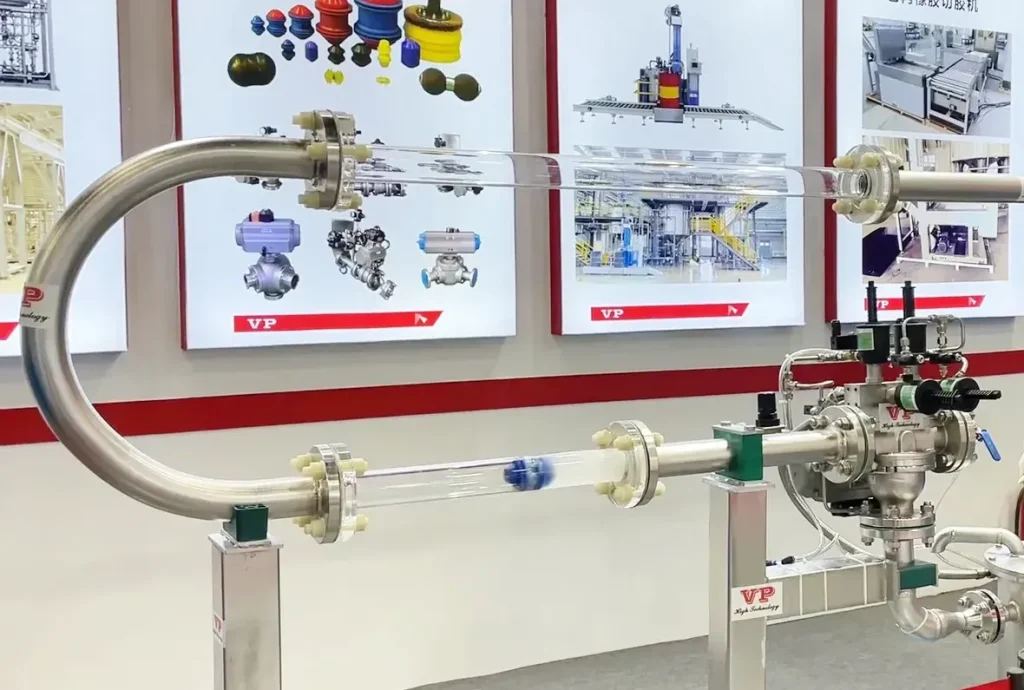
This Picture demonstrates the effectiveness of BJVP pigging systems in removing residual product from pipelines. The comparison clearly shows the pipeline condition before and after pigging, making it easy to see the difference in pipeline cleanliness and the amount of residual product remaining after cleaning.
With a product recovery rate of over 99.6%, BJVP pigging systems efficiently recover valuable materials remaining in the pipeline while reducing product waste and cross-contamination. The process also minimizes the need for flushing and cleaning, helping improve production efficiency and reduce operating costs.
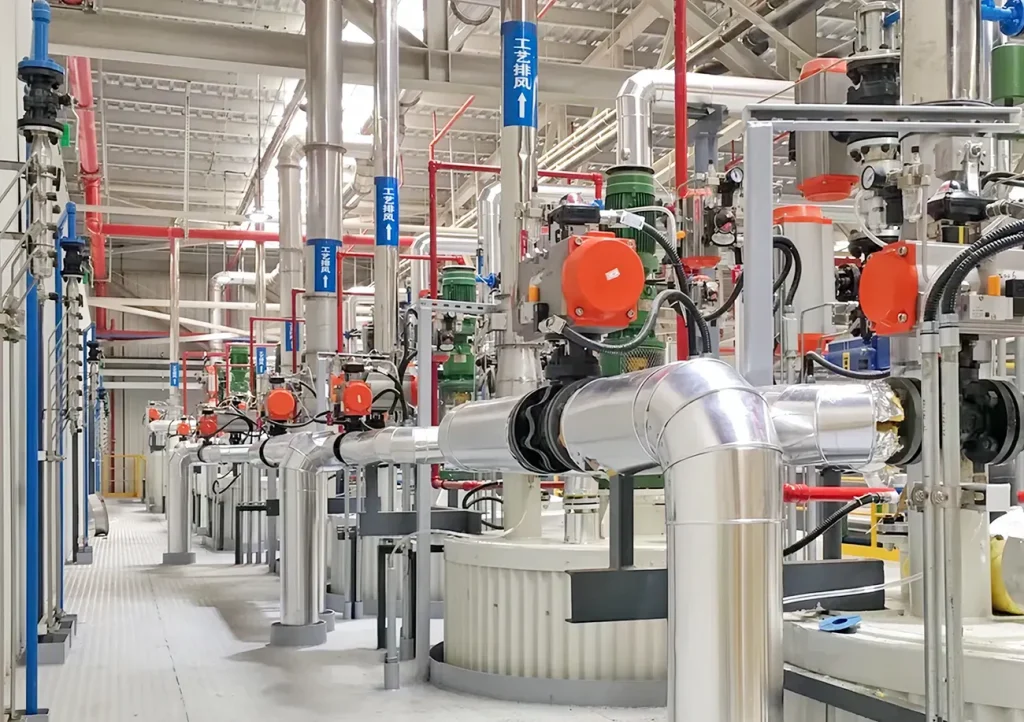
BJVP pigging systems are used for liquid product transfer, pipeline cleaning, and product recovery across industries including lubricants, lubricating greases, additives, paints and coatings, inks, food and beverage, fine chemicals, and new energy materials.
They are suitable for liquids, slurries, suspensions, pastes, and emulsions, particularly in multi-product, small-batch, and frequent-changeover production. By recovering residual product and reducing the need for water or chemical flushing, pigging systems help improve material recovery, control cross-contamination, and maintain pipeline cleanliness.
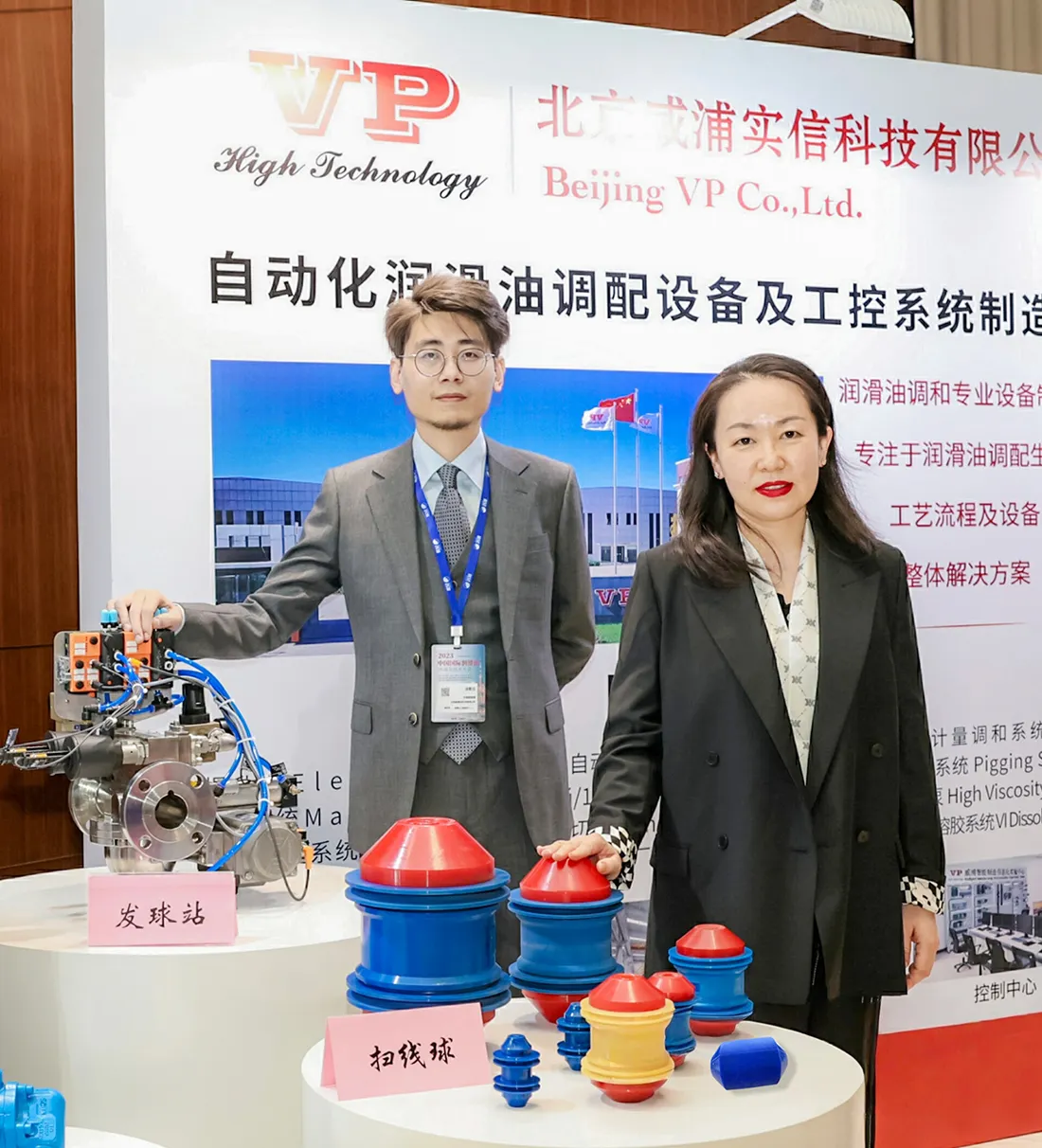
With a strong focus on automated pigging systems and pipeline manifold systems, BJVP has accumulated decades of experience in fluid transfer, product recovery, and process control. Our in-house engineering and manufacturing capabilities enable us to develop reliable pigging solutions tailored to different products, pipelines, and production processes.
Backed by a 27,000 m² manufacturing facility, advanced processing equipment, and comprehensive testing capabilities, BJVP maintains strict quality control throughout design, manufacturing, and testing. The company holds multiple patents and certifications, including ISO 9001, ISO 14001, ISO 45001, and CE.
BJVP has provided pigging systems and automated process solutions for major energy and lubricant companies, including CNPC, Sinopec, CNOOC, Shell, Castrol, ExxonMobil, FUCHS, TotalEnergies, Chevron Oronite, and other international and domestic manufacturers. Our industry experience enables us to deliver practical and reliable pigging solutions for product recovery, pipeline cleaning, and contamination control.
Integrated services covering the full project lifecycle, from process design and technical development to equipment manufacturing and after-sales support.

Develop process flows, parameters, equipment selection, and operating plans based on product characteristics, capacity, and process requirements.

Develop equipment and automation systems tailored to different materials, production processes, and customer requirements.

Manufacture, assemble, and test core equipment, while providing installation guidance and technical support for reliable project delivery.

Provide equipment maintenance, troubleshooting, spare parts, and system optimization to support stable long-term operation.
Common questions about pigging systems and product recovery
Contact us to discuss your project requirements and find suitable manifold, pigging, and fluid handling solutions.
We are a manufacturing solution with more than 30 years of experience in manifold systems